


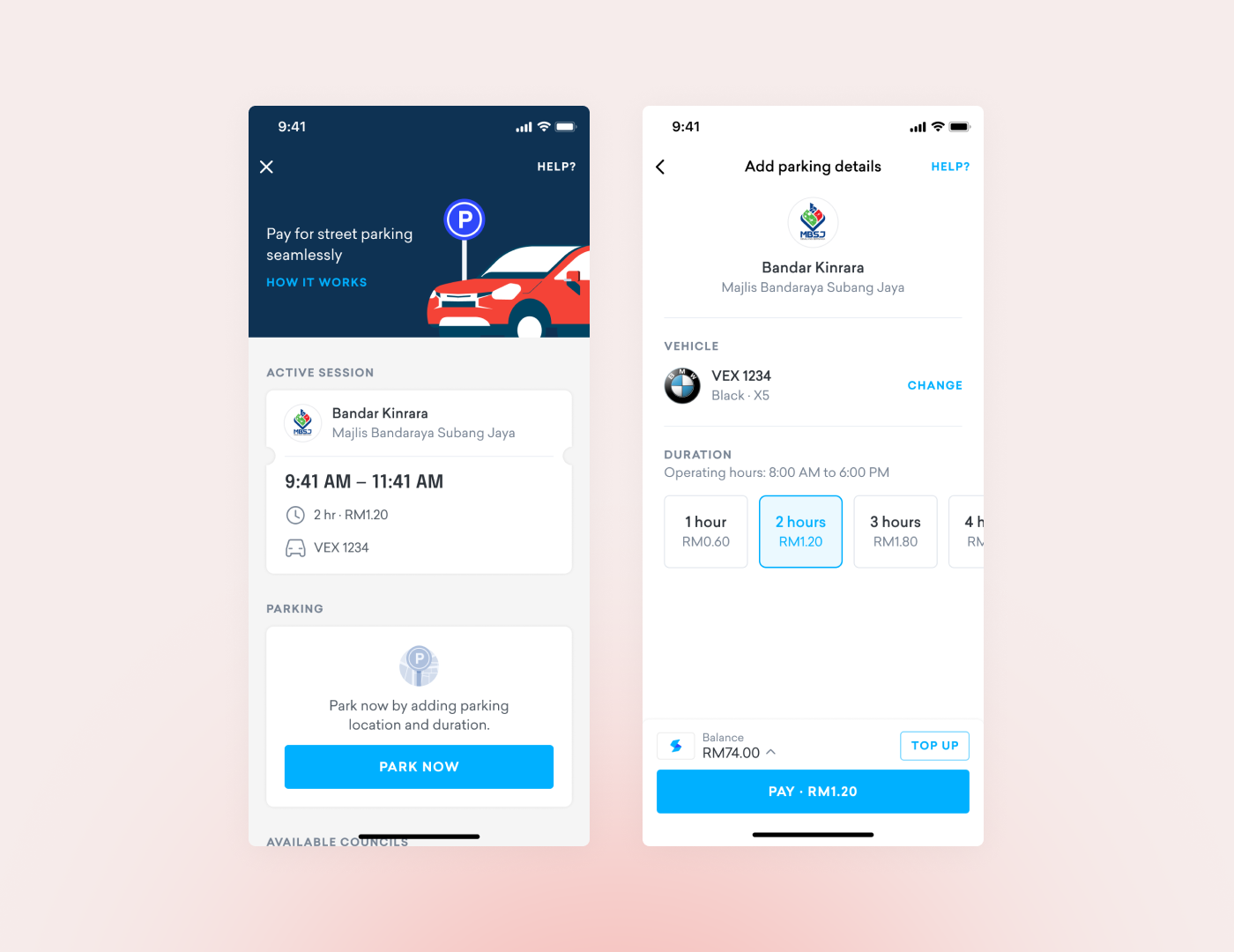
Pay for Street Parking to Avoid Fines
Introduction
The introduction of the street parking feature allows users to pay parking fees through the Setel app using either the Setel e-wallet or a credit/debit card. Users also earn loyalty points for each transaction.
Problem
There are multiple street parking apps in Malaysia, and through research on the competitors' apps, here are the findings regarding the common problems users are facing today.
- Limited & complex payment process:Users must purchase tokens before making a payment.
- Inaccurate location detection:The system sometimes detects the wrong location.
- No reminders:Users don’t receive alerts when their parking session is about to expire.
- Confusing interface & usability gaps:Users struggle to find key functions, such as editing vehicle details.The system allows payments on public holidays when parking should be free.Customer support is not responsive enough.
Research & Usability Testing
We conducted user interviews to better understand motorists’ behaviors, needs, and challenges in using parking apps.

37%
14%
29%
20%
Do not use app
Use apps
Use 2 apps
Use more than 3 apps
Central
54%
Southern
18%
Northen
11%
East coast
8%
East M’sia
8%
What Users Want
- Earn loyalty points for parking payments.
- Receive reminders before their session expires.
- Use GPS to detect their location for seamless payments.
- Pay for parking for multiple cars at the same time.
- Ensure payments are recorded properly to prevent fines.
Our Goals
Based on our research, we aligned with the product team on the feature direction and business requirements. Our key objectives were:
- Offer multiple payment methods, including the Setel e-wallet and credit/debit cards.
- Improve location accuracy for parking detection.
- Send a reminder 15 minutes before the parking session ends.
- Allow users to extend their parking session seamlessly.
- Simplify the interface for a smoother experience.
- Prevent payments on public holidays or outside operating hours.
Add parking
Confirm parking location
Select vehicle
Select duration
Make payment
Top-up

User has sufficient
wallet balance?
Payment success
Earn points


The user flow from adding parking entry points toward a successful payment screen.

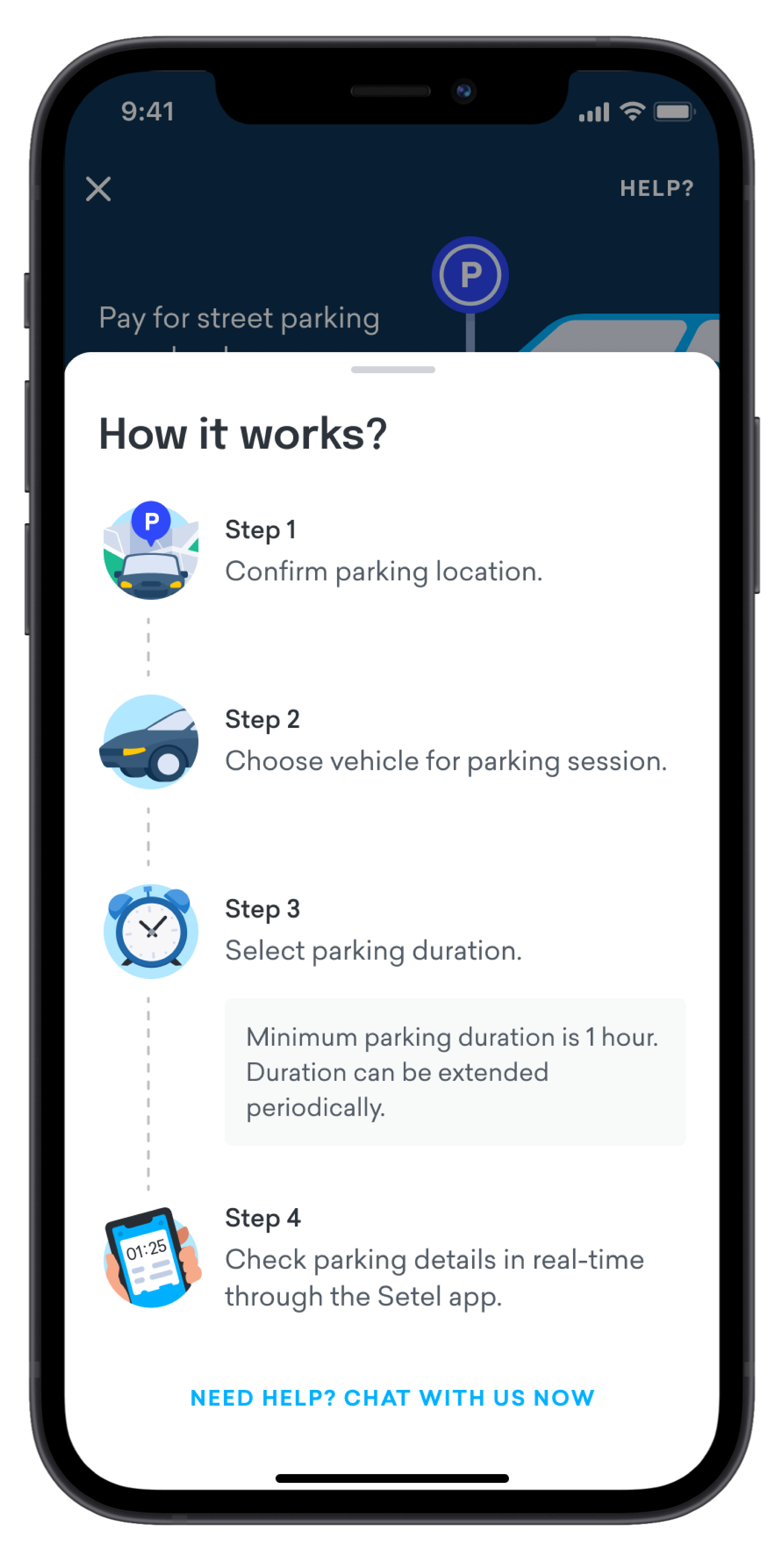
Step 1
Select parking
location.

Step 2
Select vehicle
to park.

Step 3
Select parking
duration.

Step 4
Pay and the countdown
timer will begun.


How it works?
UI Exploration
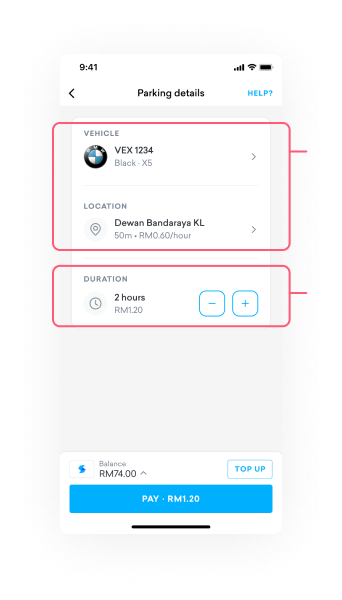
Before
Incorrect hierarchy makes users need to spend time on what's the required action to complete the payment.
Inefficient way to select the parking duration.
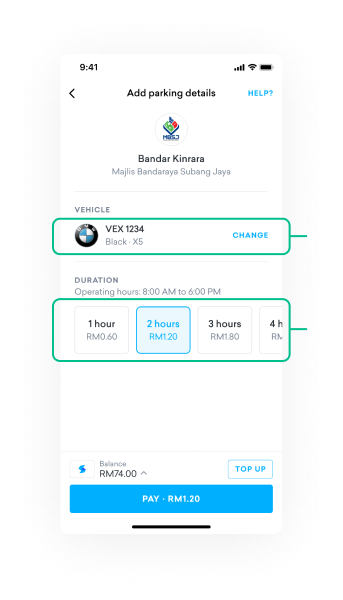
After
Based on the usability research, we learned that majority of the users park less than
3 hours in the location.
With a text button, user could easily find our how to switch to another vehicle.
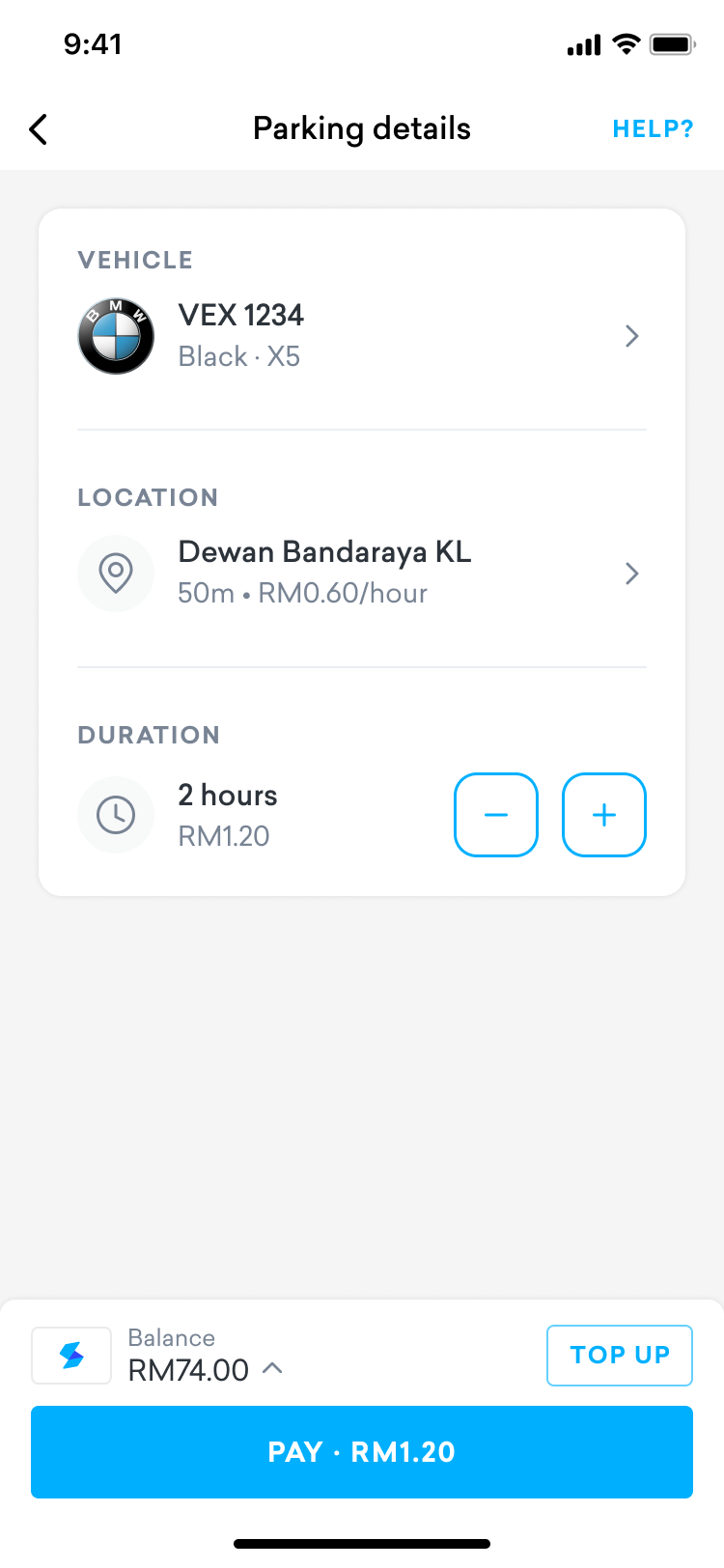
The key screen required users to ensure
their parking details such as the location,
vehicle & duration
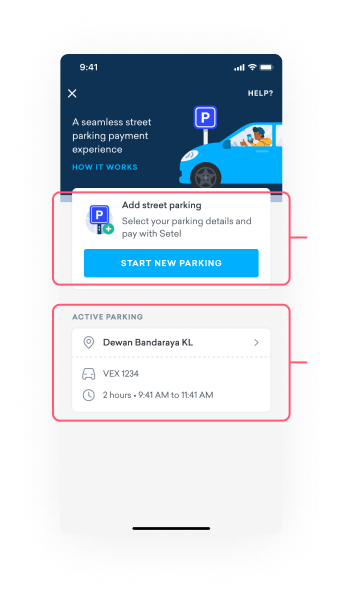
Before
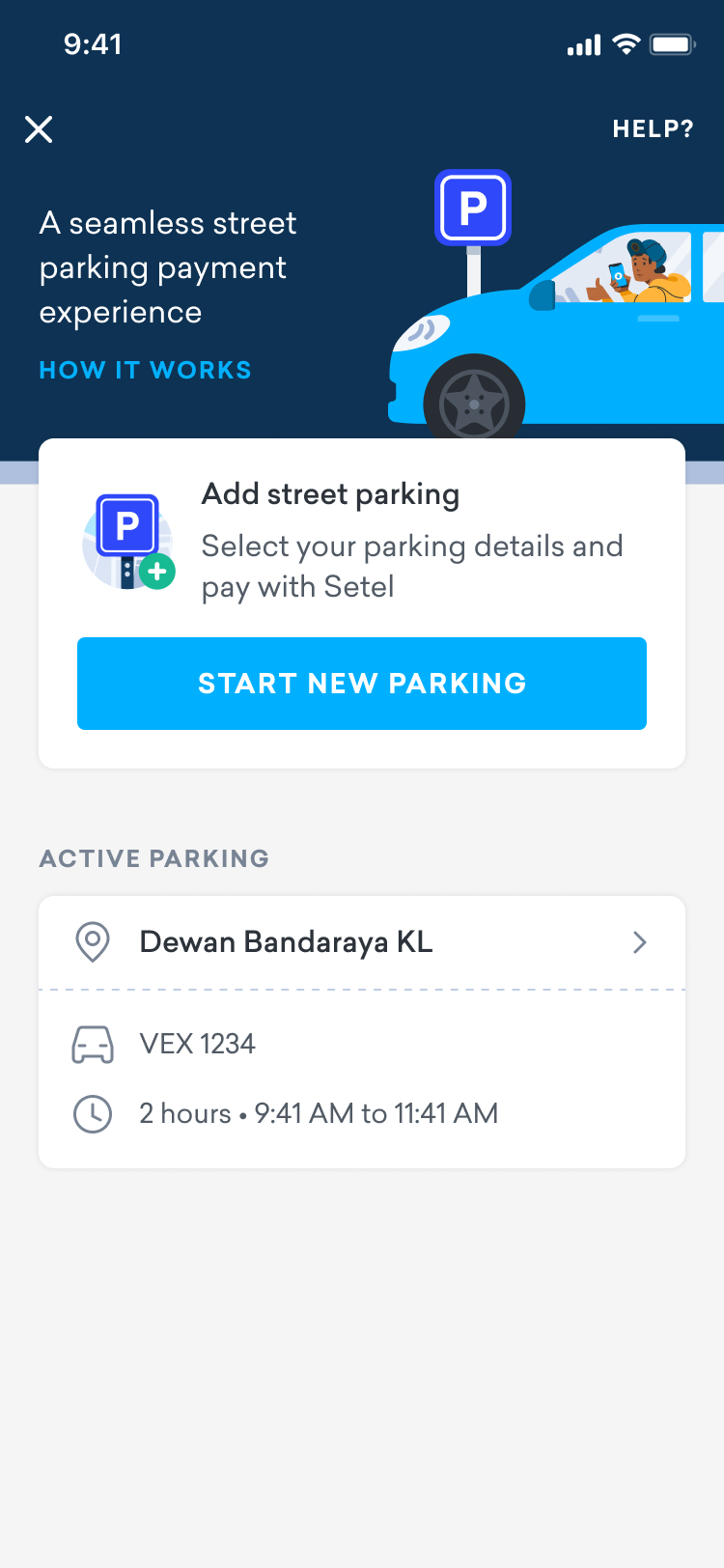
Incorrect focus as it’s unusual for user to initiate another parking session while one is active.
The content display on the card lacks of proper hierarchy and fails to emphasize any important information effectively.
After
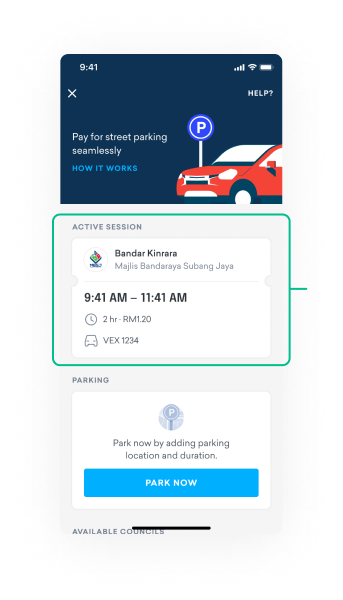
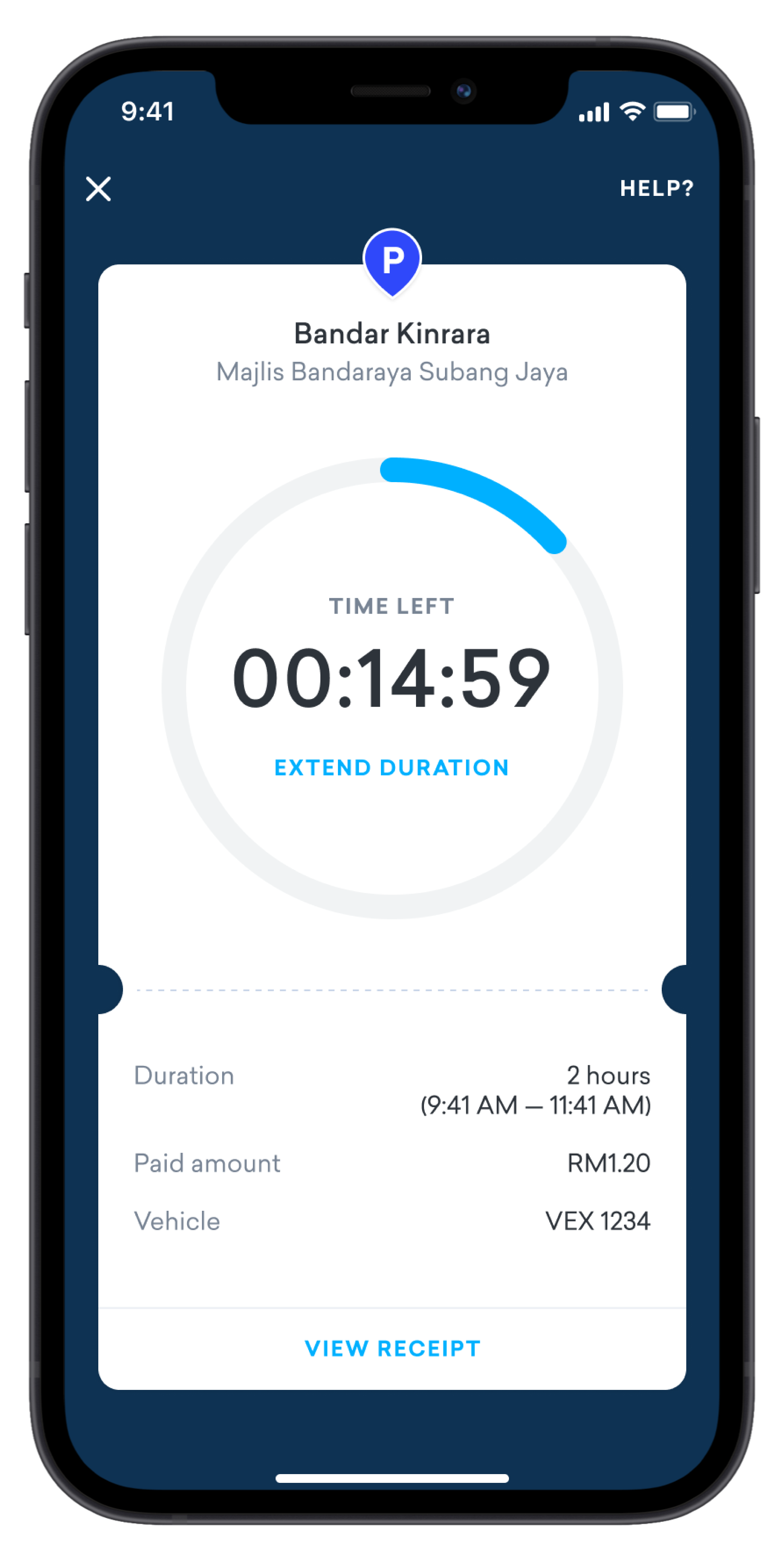
The improved card design offers better readability by highlighting important details, such as the parking duration and council logo.
A more interesting way to present the physical ticket in the app.
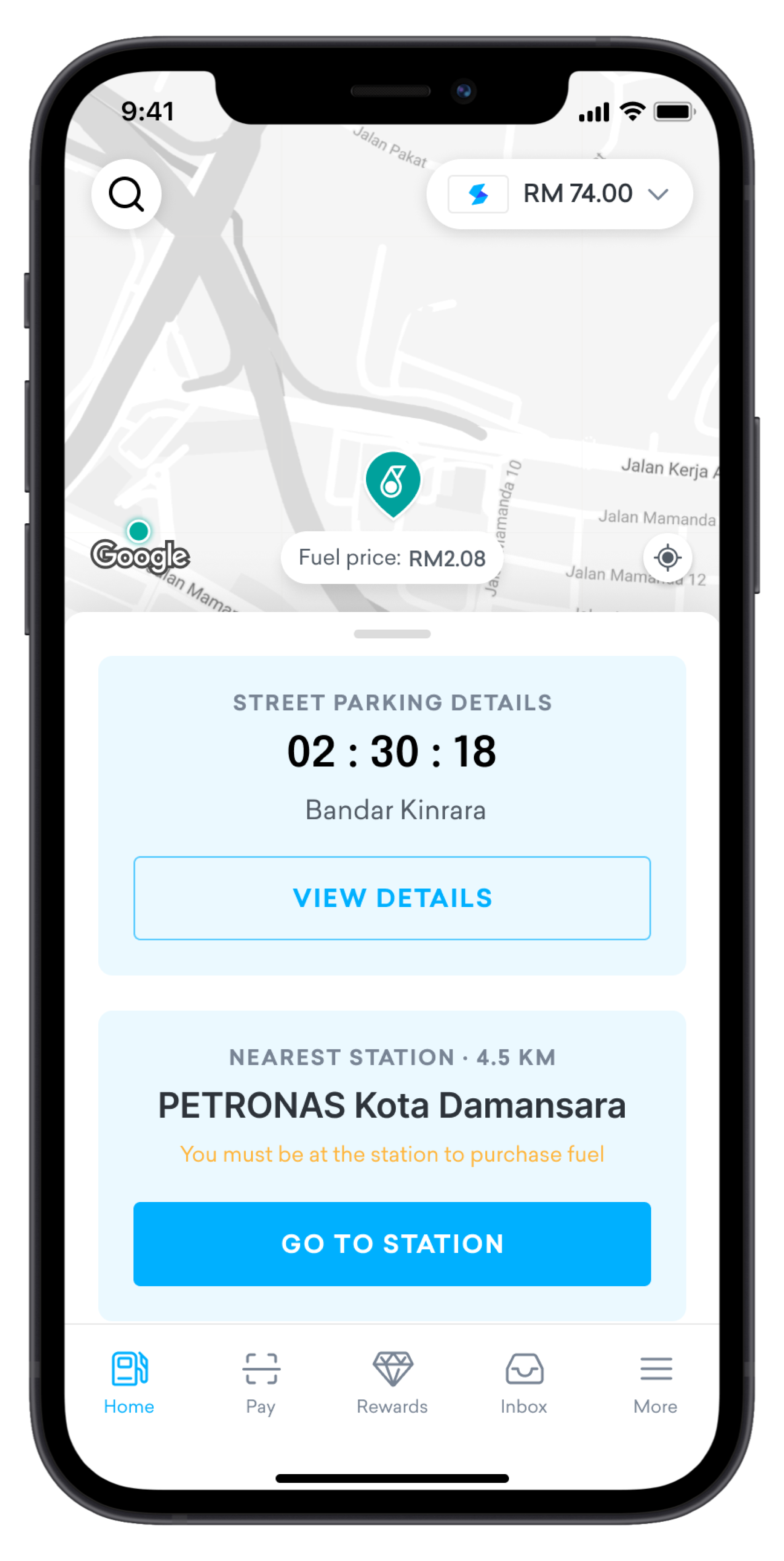
The screen that user could find their active session & add another parking
UI Decision
Confirming Parking Location
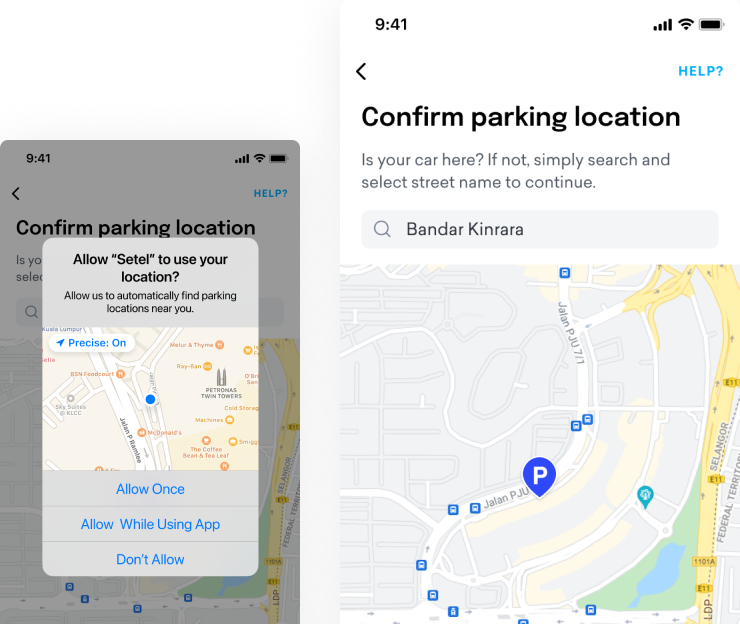
To improve accuracy, users are prompted to grant location permission when they first access the street parking feature. This allows the app to auto-detect and pin their current location.

We encourage users to allow the location permission to the app in order to automatically find the parking location for them.
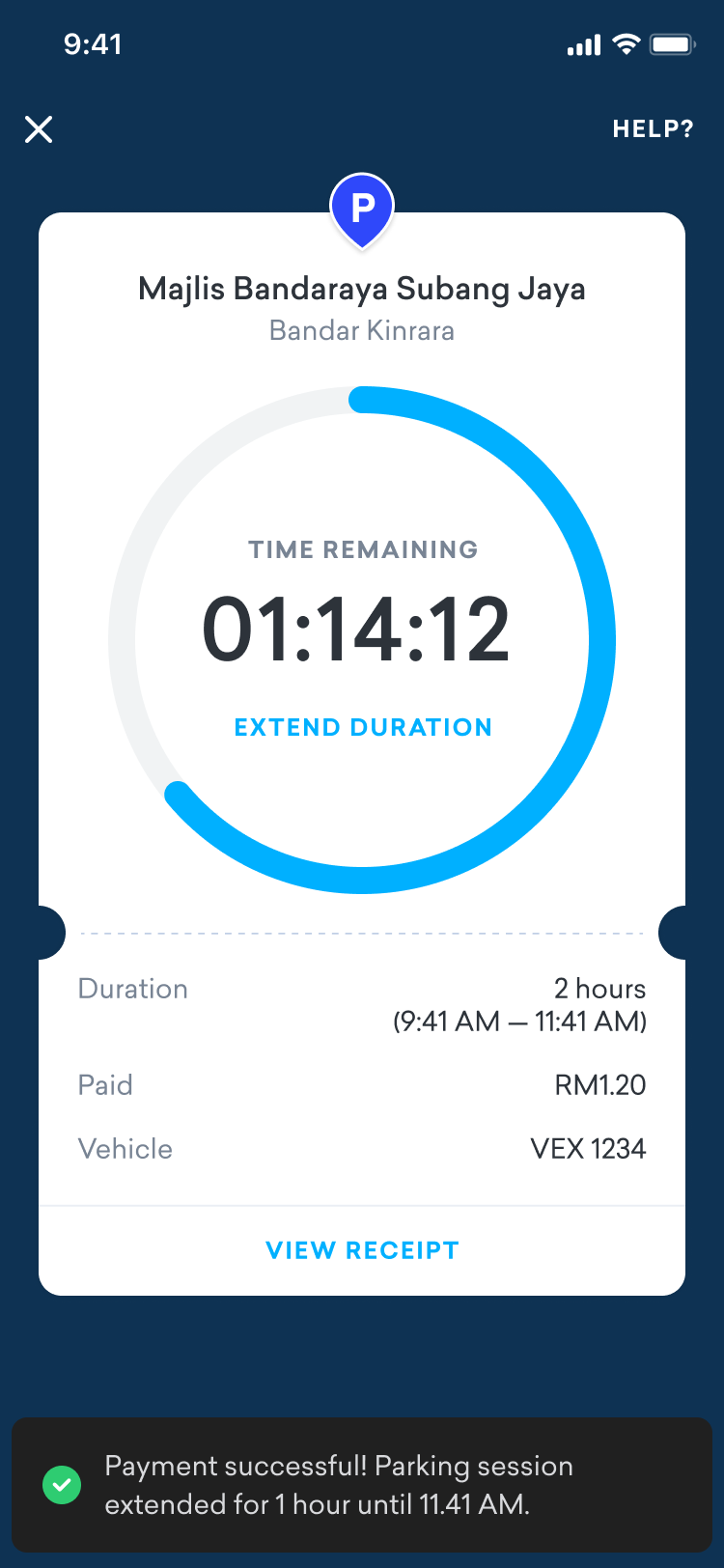
Extending Parking Duration
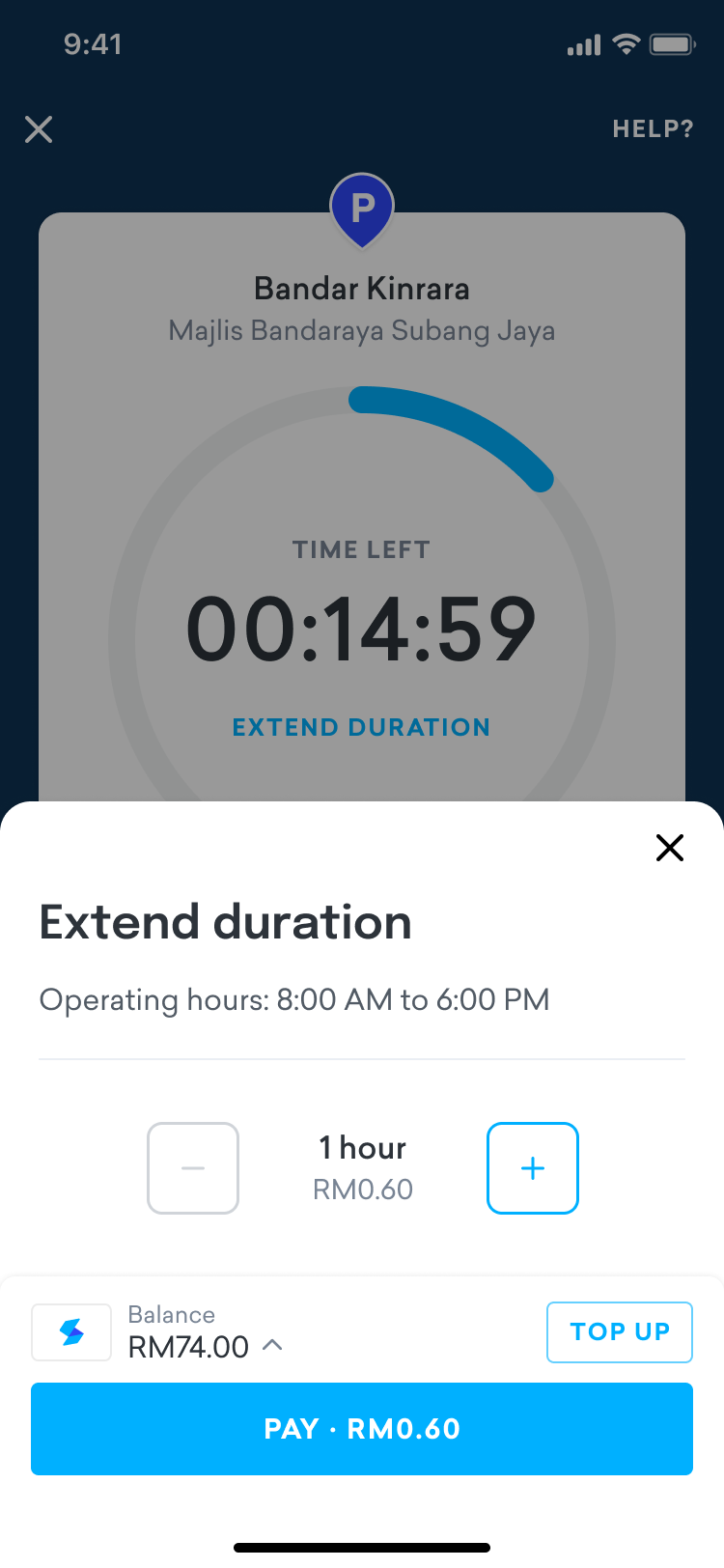
Users can extend their parking session, but only up to the end of operating hours to prevent unnecessary payments.
Users could extend their parking duration from the timer screen.
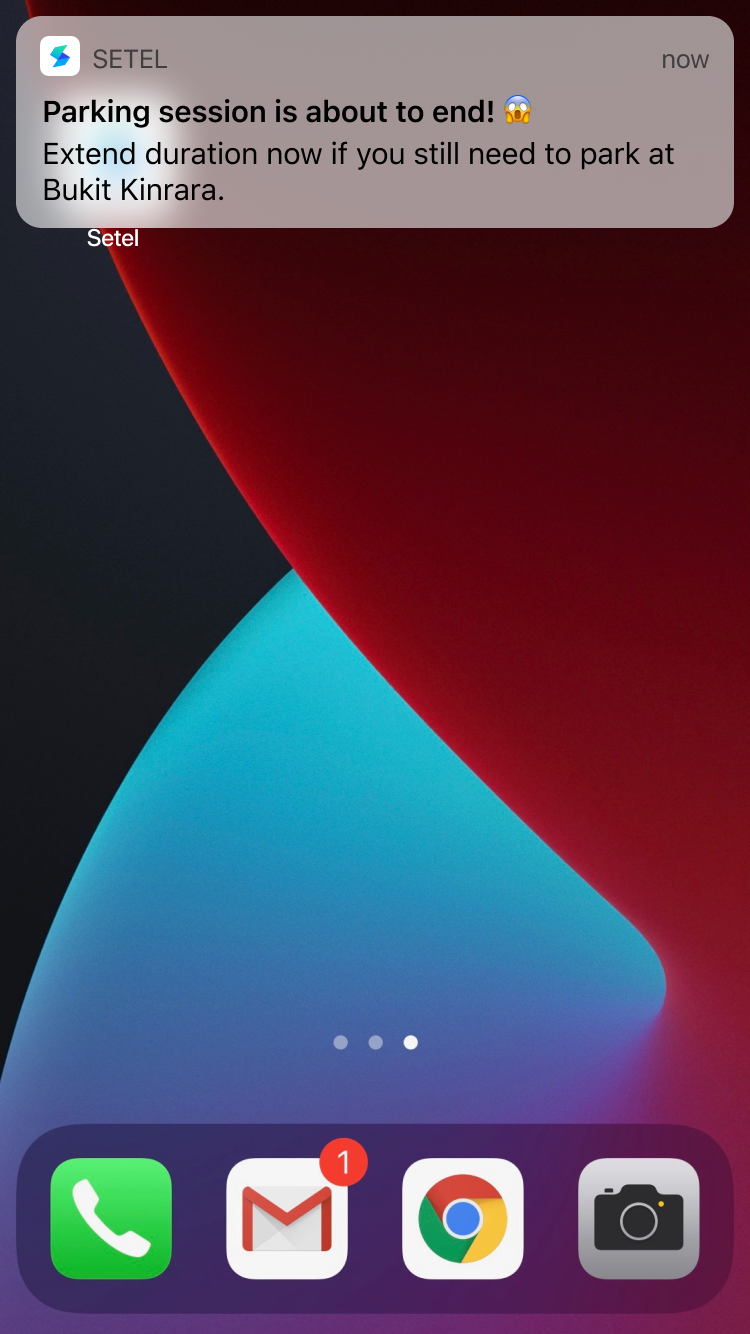
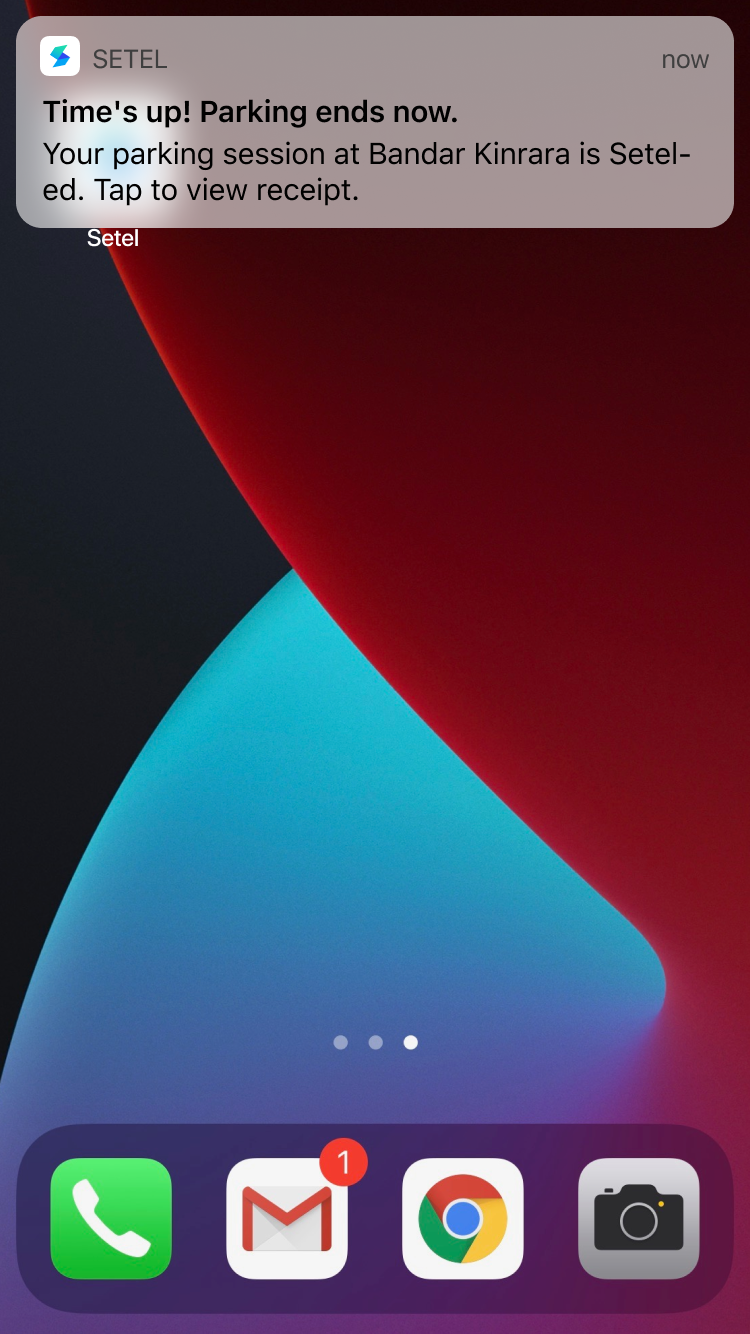
Smart Reminders
To address a key pain point, we introduced push notifications that alert users 15 minutes before their session expires, reminding them to extend if needed.
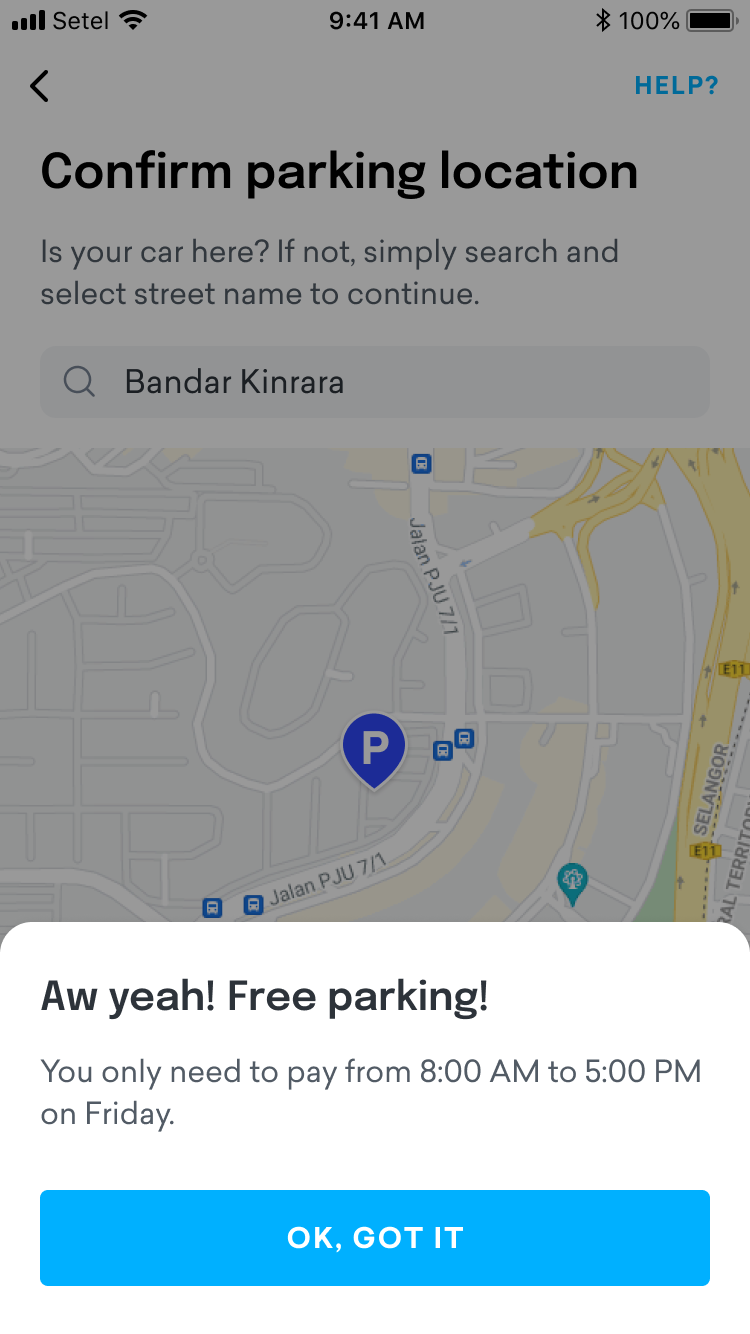
Preventing Payments on Free Parking Days
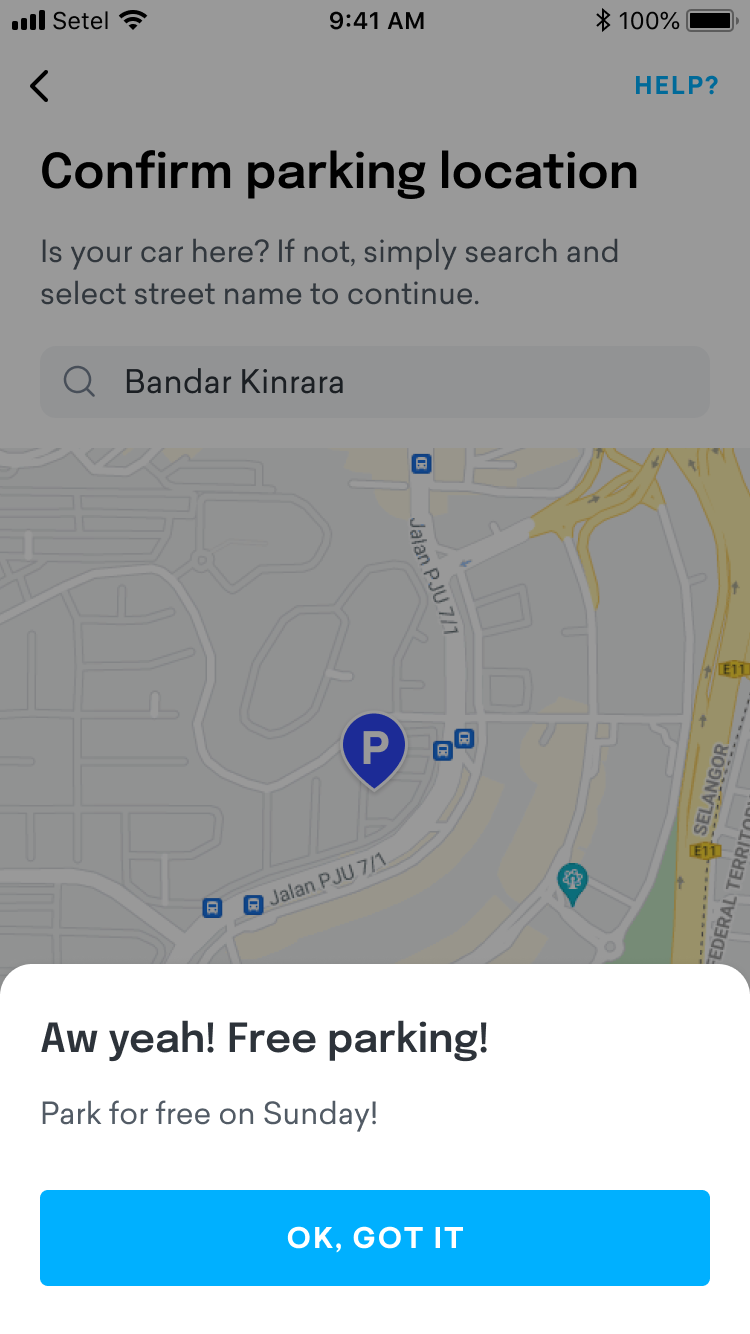
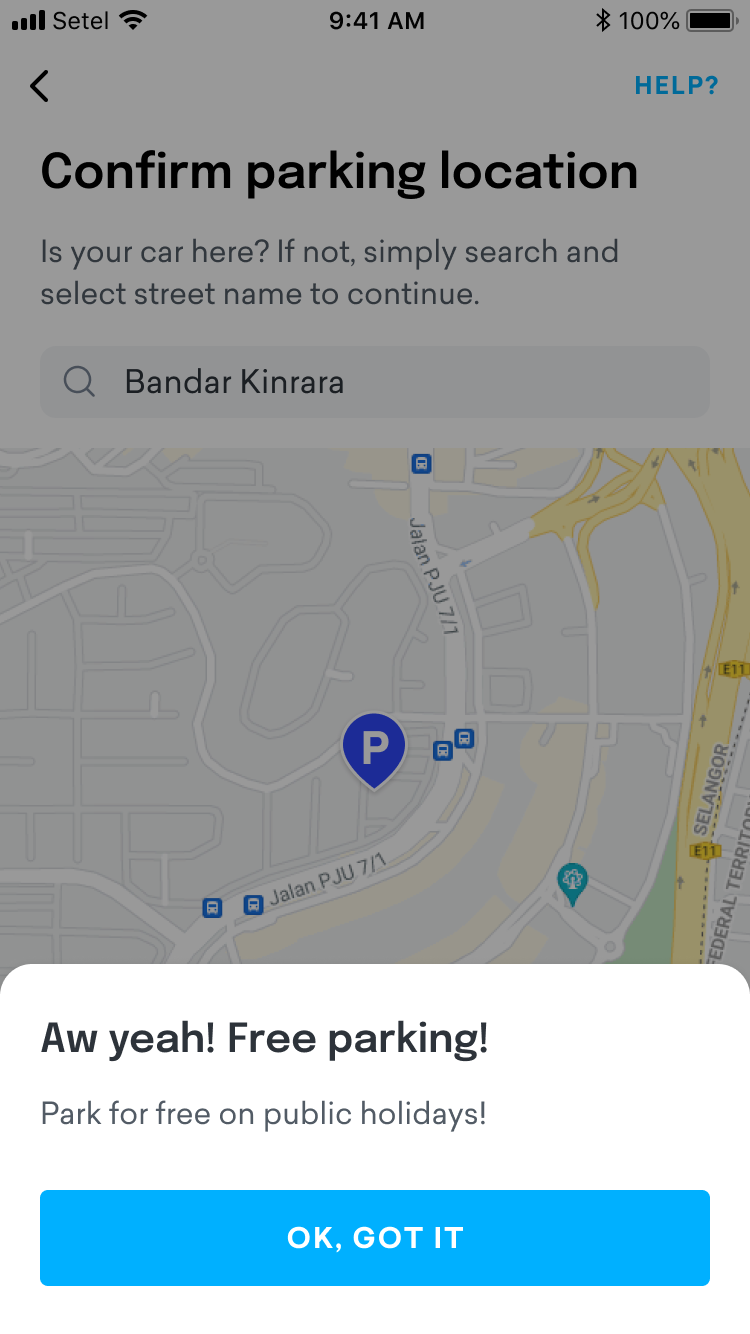
Parking rules vary by location, and free parking is available on specific days or public holidays. We implemented a system that blocks payments when any of these conditions apply:
- Outside of operating hours.
- Free parking days (e.g., Kuala Lumpur: free parking on Saturdays & Sundays; Teluk Intan: free parking on Sundays only).
- Nationwide public holidays.
Final Design
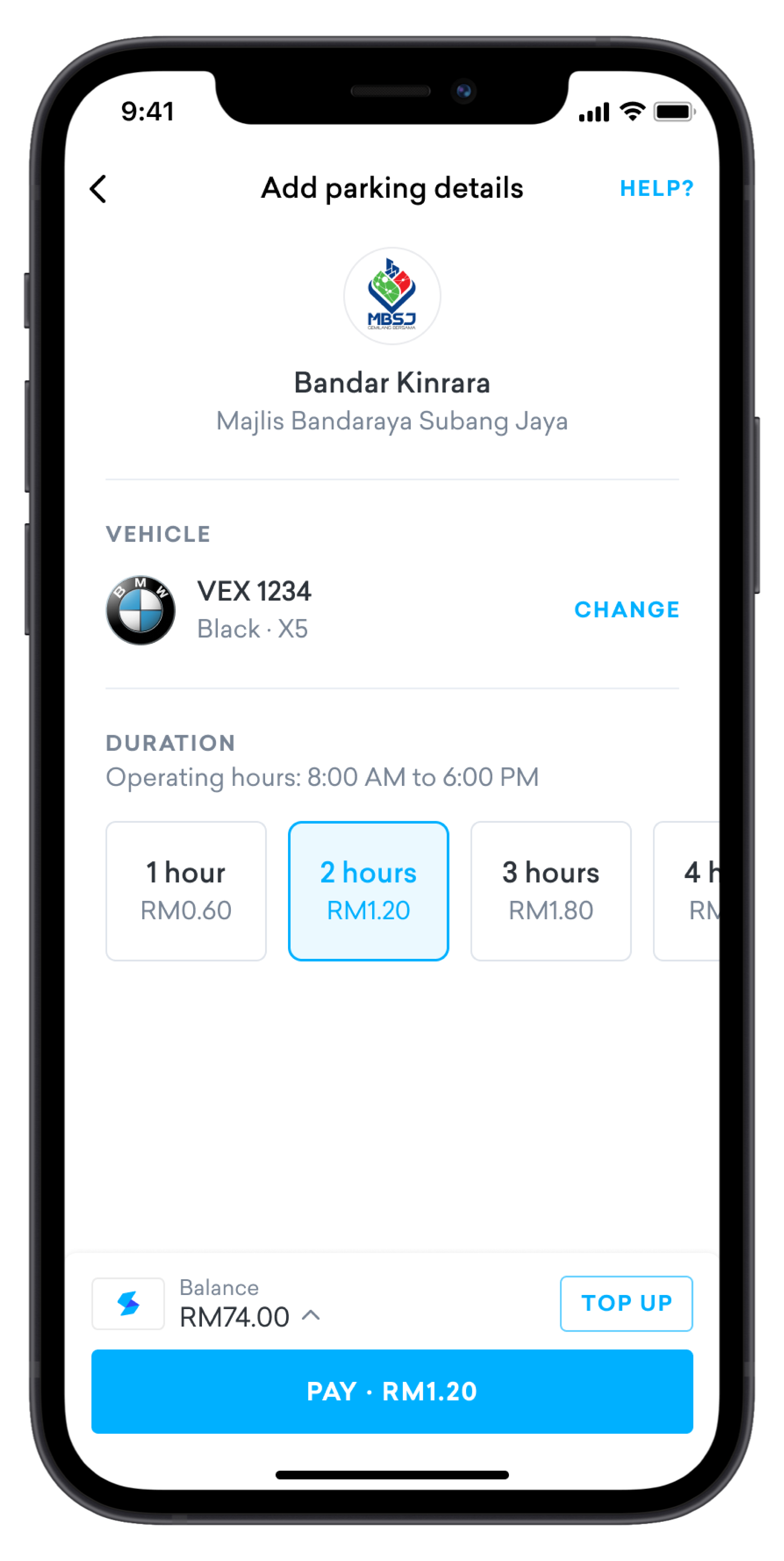
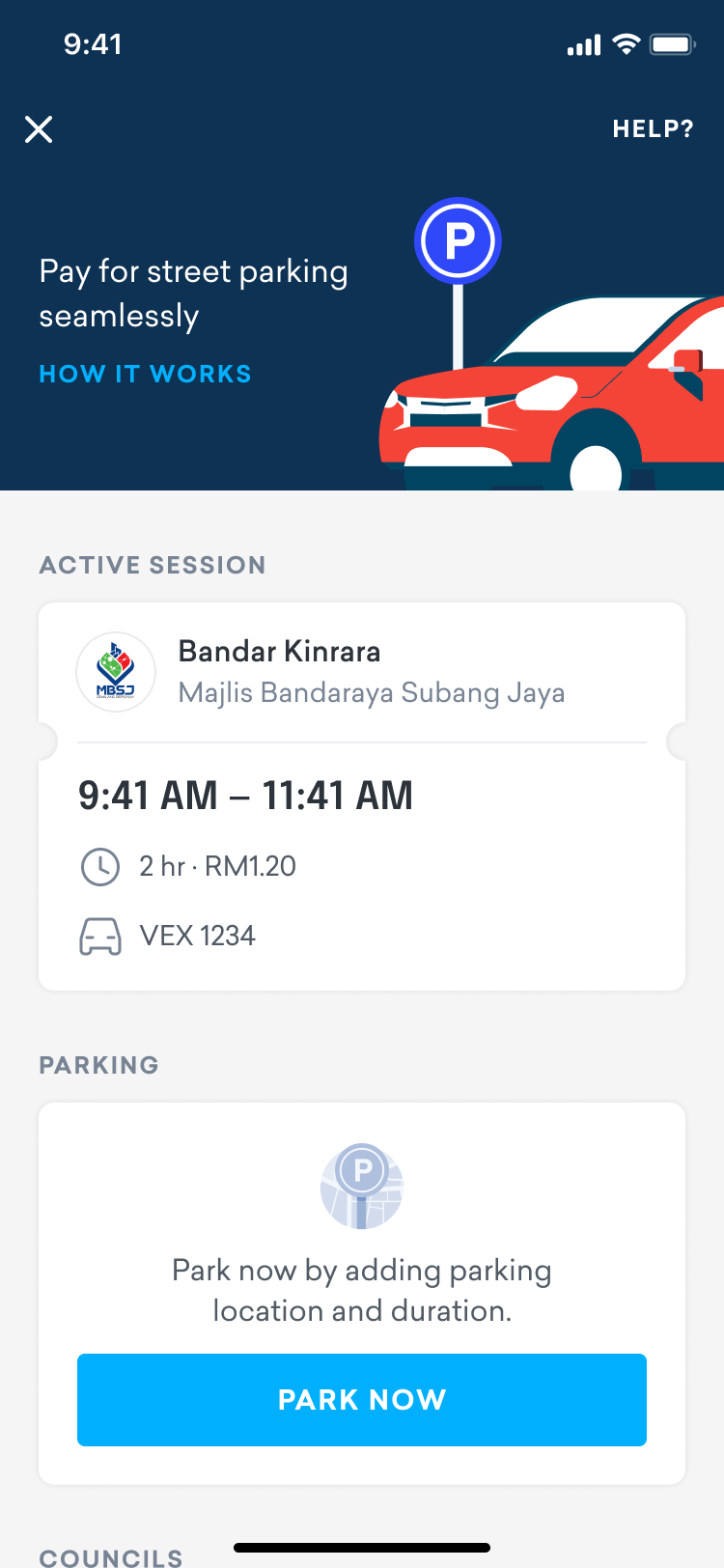
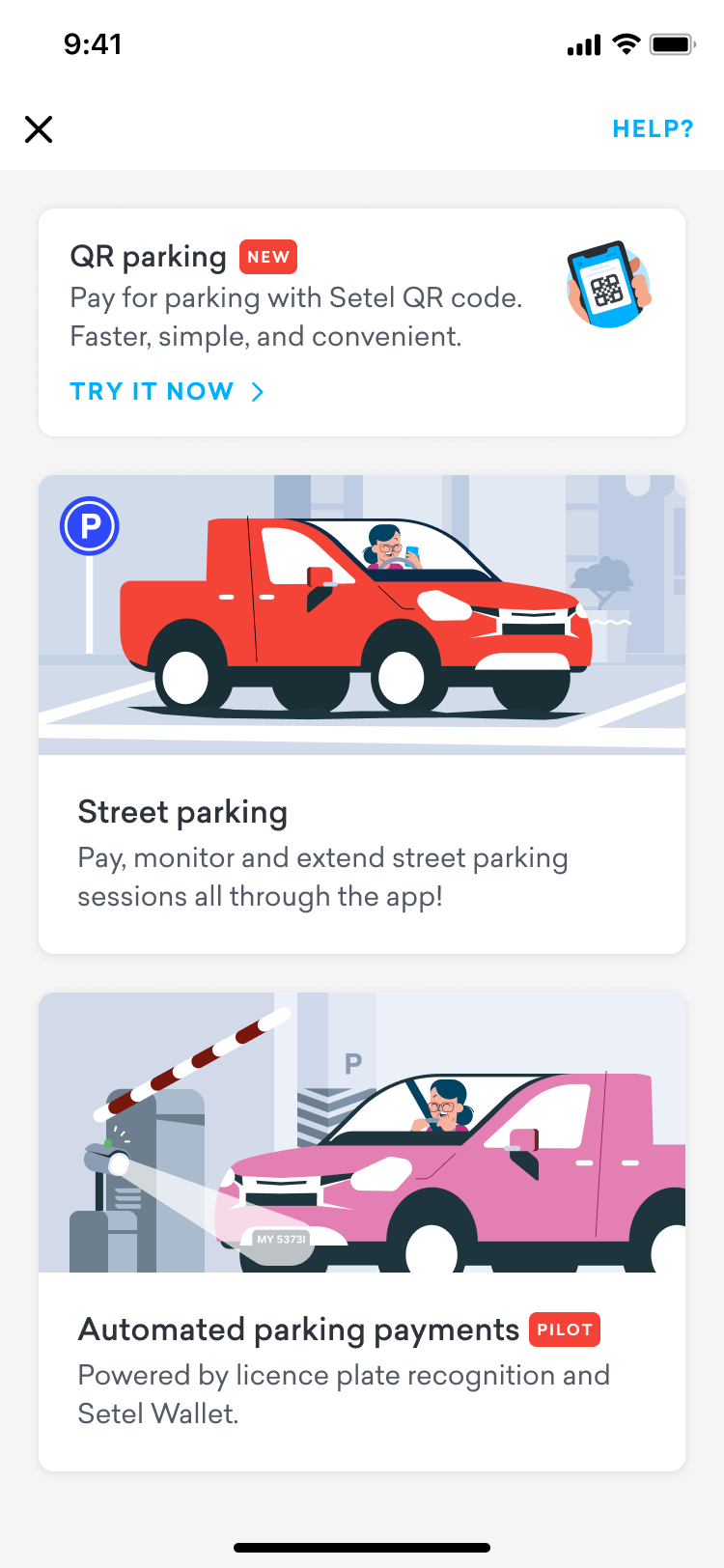
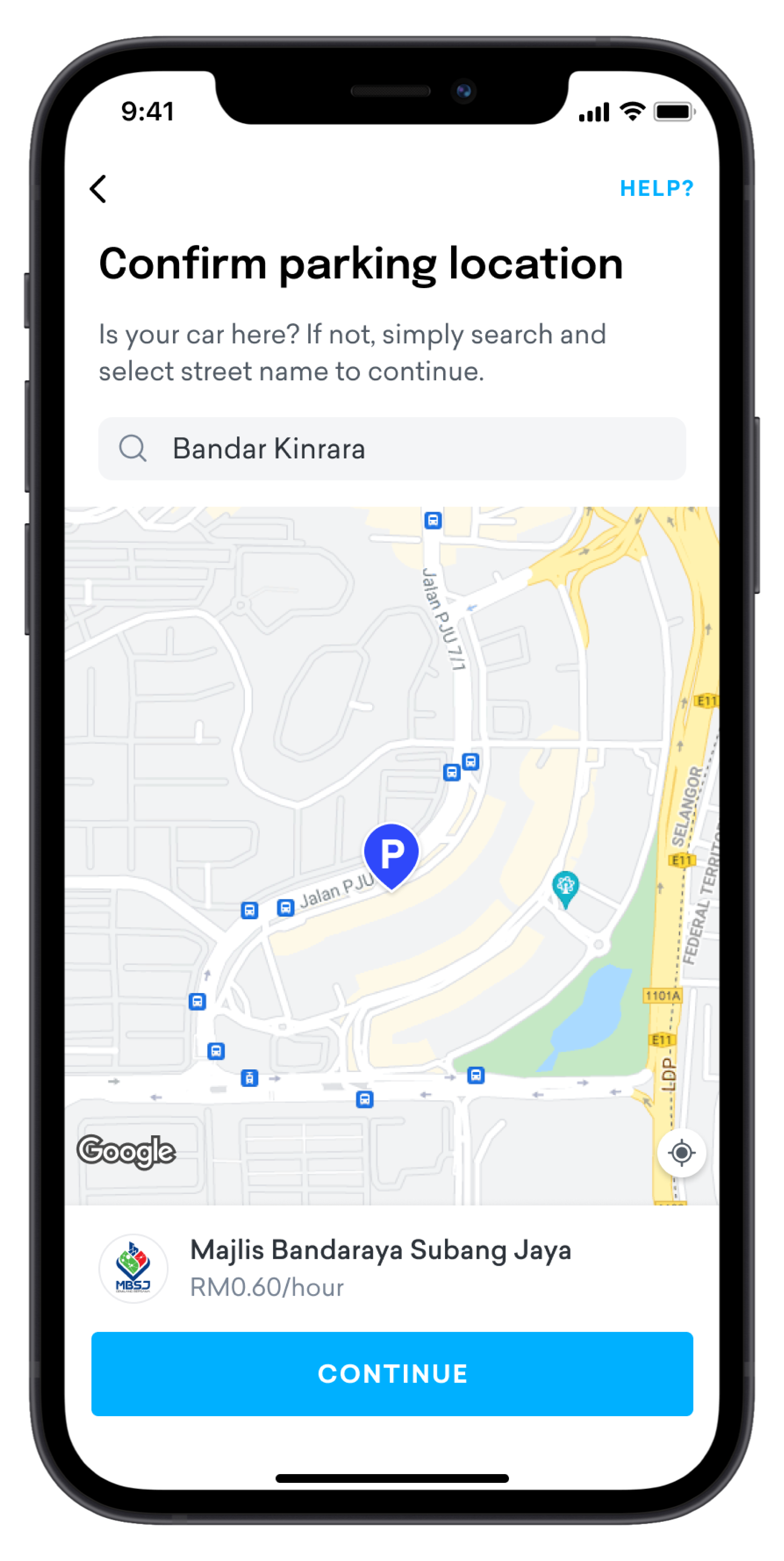
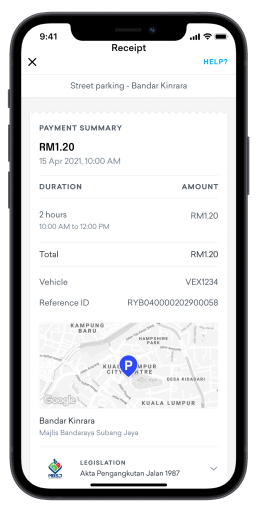
The goal was to create a seamless and intuitive payment experience. The interface was designed with a clean, minimal look to ensure users can navigate effortlessly.
Conclusion
A highlight of this project was the usability testing phase. Creating concept screens and prototypes for user interviews allowed us to validate our ideas, gain deeper user insights and refine our design approach. This process ultimately helped us deliver a smoother and more reliable parking payment experience.
Copyright © moonhuilee 2026


Pay for Street Parking to Avoid Fines
Introduction
The introduction of the street parking feature allows users to pay parking fees through the Setel app using either the Setel e-wallet or a credit/debit card. Users also earn loyalty points for each transaction.
Problem
There are multiple street parking apps in Malaysia, and through research on the competitors' apps, here are the findings regarding the common problems users are facing today.
- Limited & complex payment process:Users must purchase tokens before making a payment.
- Inaccurate location detection:The system sometimes detects the wrong location.
- No reminders:Users don’t receive alerts when their parking session is about to expire.
- Confusing interface & usability gaps:Users struggle to find key functions, such as editing vehicle details.The system allows payments on public holidays when parking should be free.Customer support is not responsive enough.
Research & Usability Testing
We conducted user interviews to better understand motorists’ behaviors, needs, and challenges in using parking apps.
37%
14%
29%
20%
Do not use app
Use apps
Use 2 apps
Use more than 3 apps
Central
54%
Southern
18%
Northen
11%
East coast
8%
East M’sia
8%
What Users Want
- Earn loyalty points for parking payments.
- Receive reminders before their session expires.
- Use GPS to detect their location for seamless payments.
- Pay for parking for multiple cars at the same time.
- Ensure payments are recorded properly to prevent fines.
Our Goals
Based on our research, we aligned with the product team on the feature direction and business requirements. Our key objectives were:
- Offer multiple payment methods, including the Setel e-wallet and credit/debit cards.
- Improve location accuracy for parking detection.
- Send a reminder 15 minutes before the parking session ends.
- Allow users to extend their parking session seamlessly.
- Simplify the interface for a smoother experience.
- Prevent payments on public holidays or outside operating hours.
Add parking
Confirm parking location
Select vehicle
Select duration
Payment success
Earn points
Make payment
User has sufficient
wallet balance?


Top-up


The user flow from adding parking entry points toward a successful payment screen.

Step 1
Select parking
location.

Step 2
Select vehicle
to park.

Step 3
Select parking
duration.

Step 4
Pay and the countdown
timer will begun.

How it works?
UI Exploration
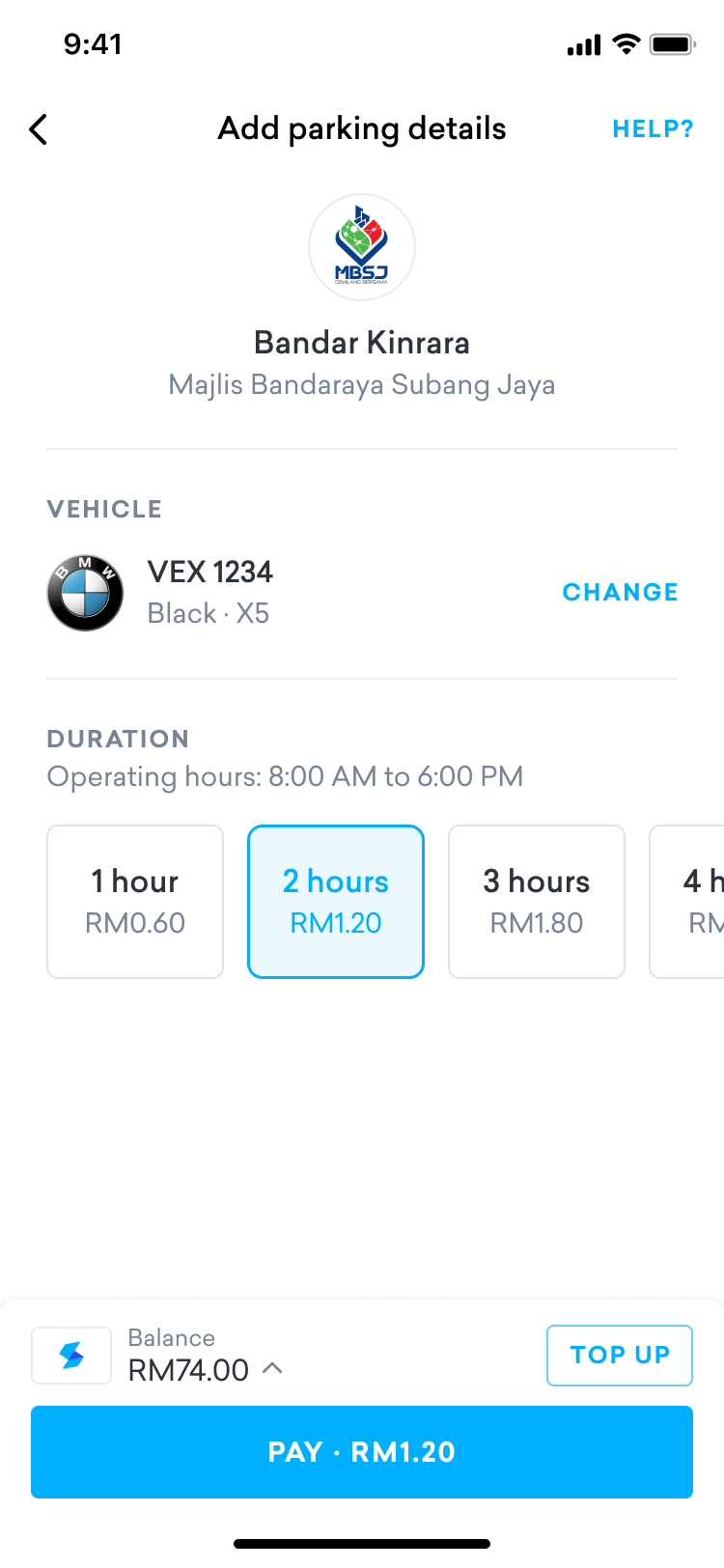
Based on the usability research, we learned that majority of the users park less than
3 hours in the location.
With a text button, user could easily find our how to switch to another vehicle.

Incorrect hierarchy makes users need to spend time on what's the required action to complete the payment.
Inefficient way to select the parking duration.

Before
After
The key screen required users to ensure their parking details such as the
location, vehicle & duration
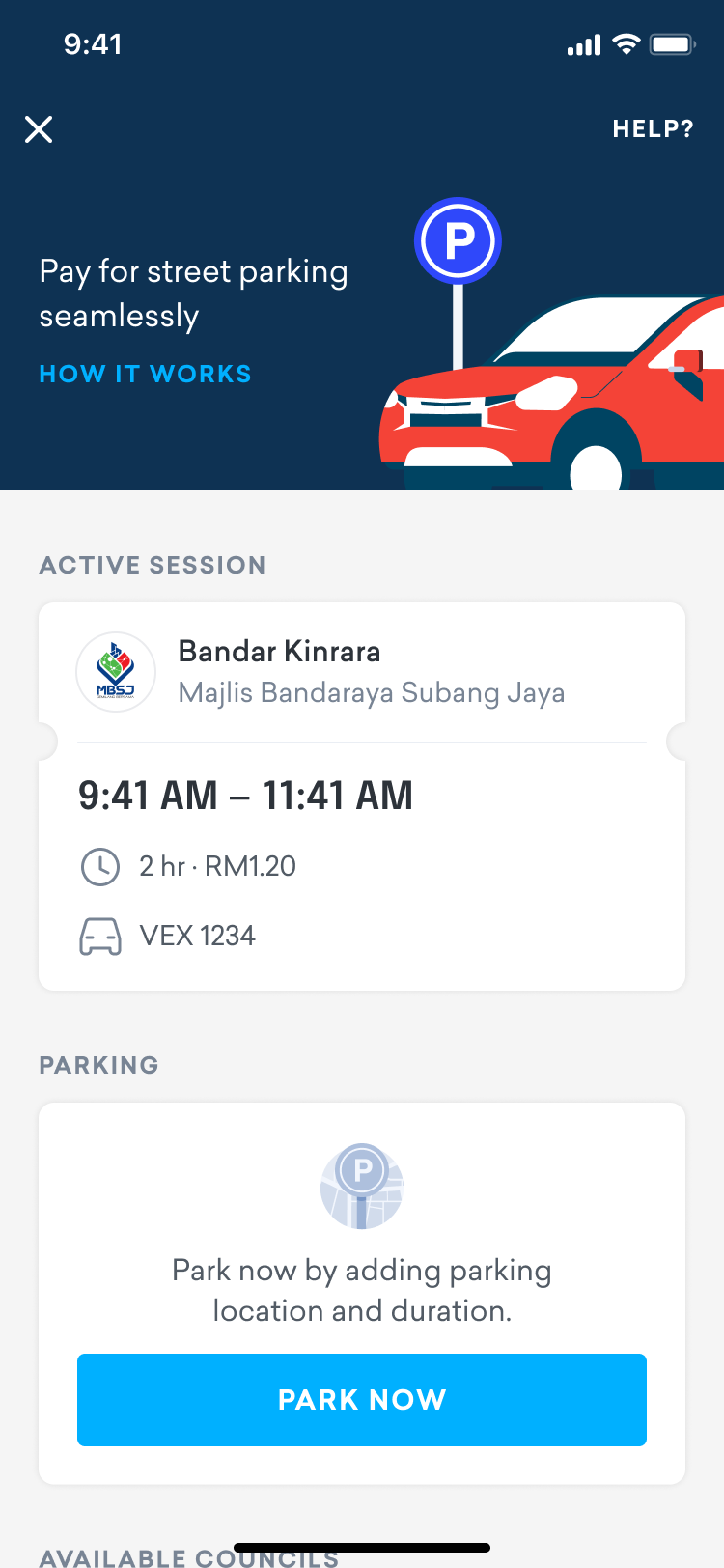
The improved card design offers better readability by highlighting important details, such as the parking duration and council logo.
A more interesting way to present the physical ticket in the app.
Incorrect focus as it’s unusual for user to initiate another parking session while one is active.
The content display on the card lacks of proper hierarchy and fails to emphasize any important information effectively.
Before
After
The screen that user could find their active session & add another parking
UI Decision
Confirming Parking Location
To improve accuracy, users are prompted to grant location permission when they first access the street parking feature. This allows the app to auto-detect and pin their current location.
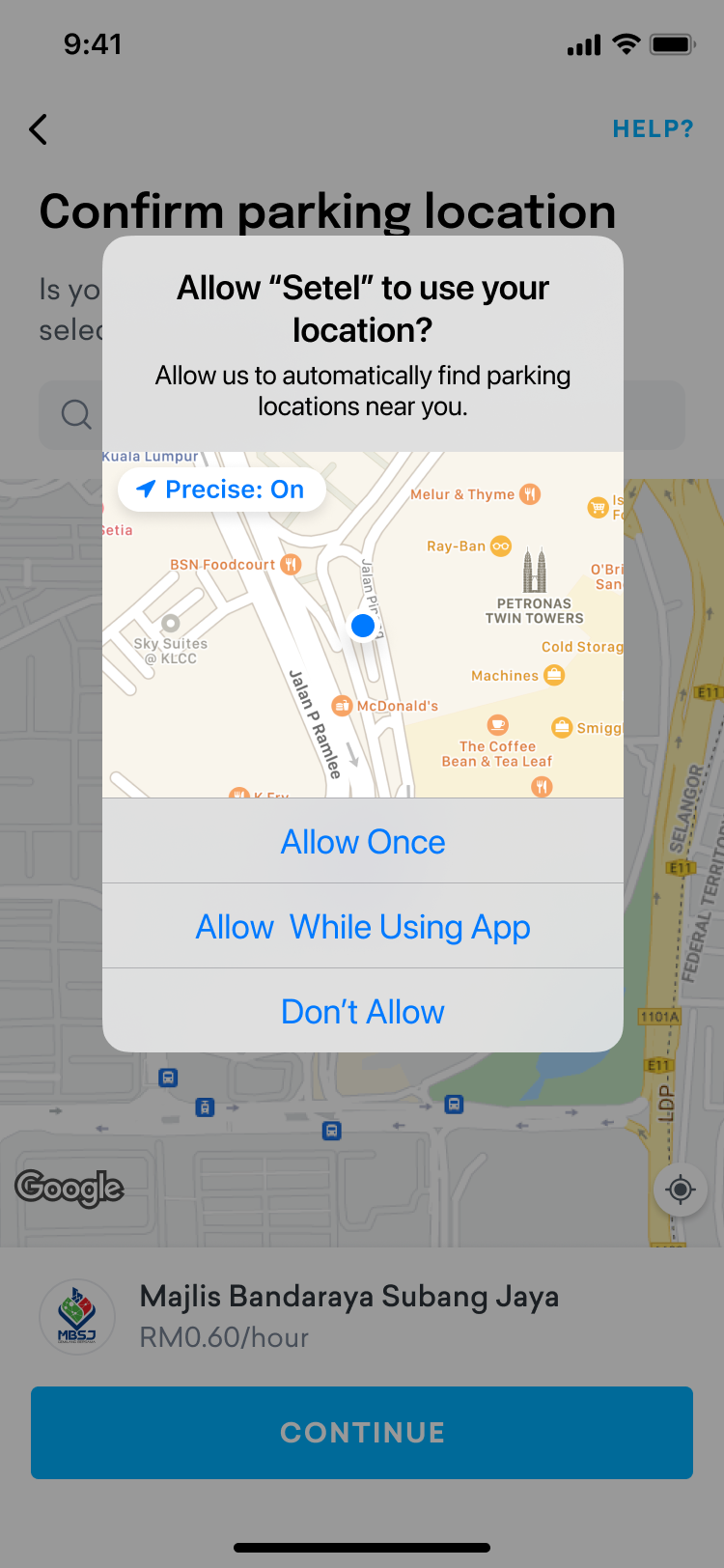
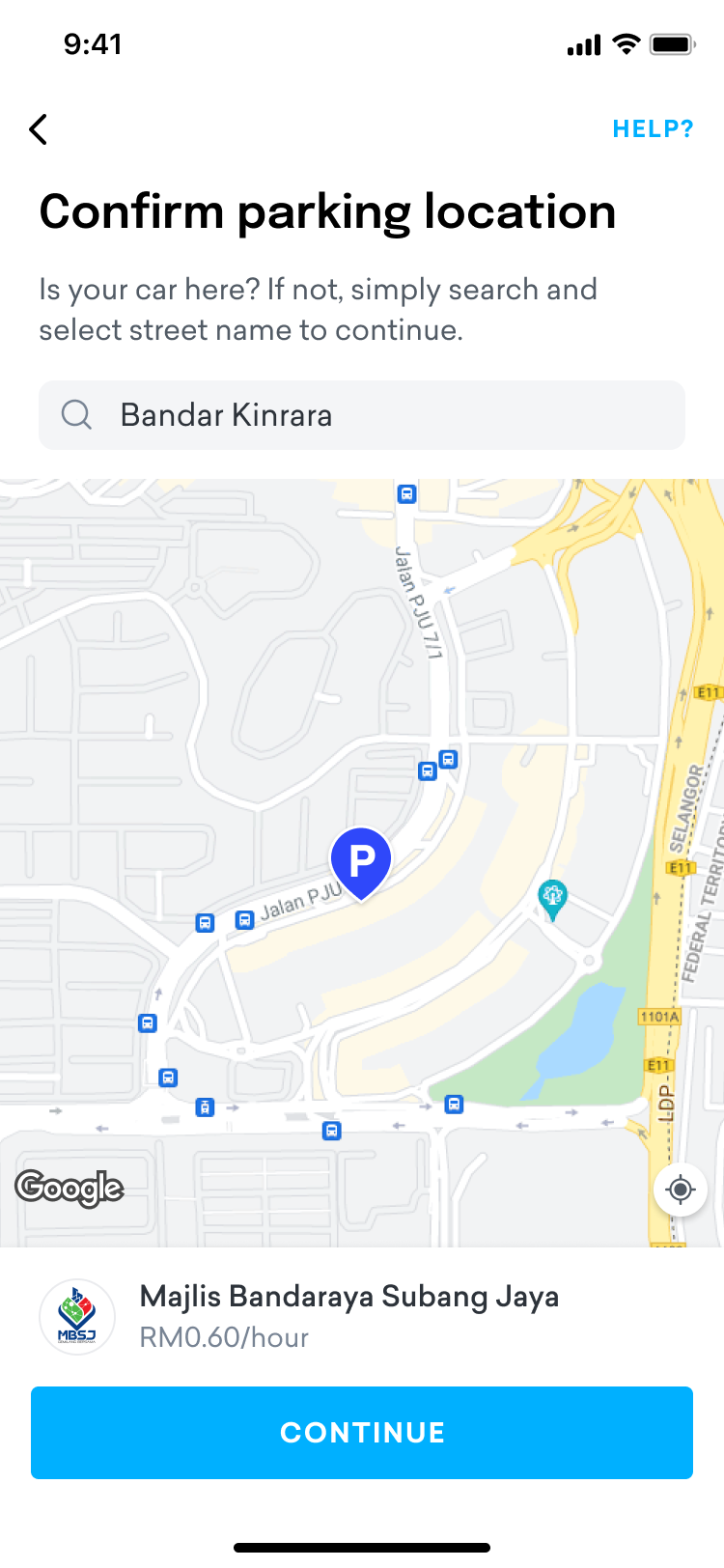
We encourage users to allow the location permission to the app in order to automatically find the parking location for them.
Extending Parking Duration
Users can extend their parking session, but only up to the end of operating hours to prevent unnecessary payments.
Users could extend their parking duration from the timer screen.
Smart Reminders
To address a key pain point, we introduced push notifications that alert users 15 minutes before their session expires, reminding them to extend if needed.
Preventing Payments on Free Parking Days
Parking rules vary by location, and free parking is available on specific days or public holidays. We implemented a system that blocks payments when any of these conditions apply:
- Outside of operating hours.
- Free parking days (e.g., Kuala Lumpur: free parking on Saturdays & Sundays; Teluk Intan: free parking on Sundays only).
- Nationwide public holidays.
Final Design
The goal was to create a seamless and intuitive payment experience. The interface was designed with a clean, minimal look to ensure users can navigate effortlessly.
Conclusion
A highlight of this project was the usability testing phase. Creating concept screens and prototypes for user interviews allowed us to validate our ideas, gain deeper user insights and refine our design approach. This process ultimately helped us deliver a smoother and more reliable parking payment experience.
Copyright © moonhuilee 2026